Pretty sells. Performance wins.
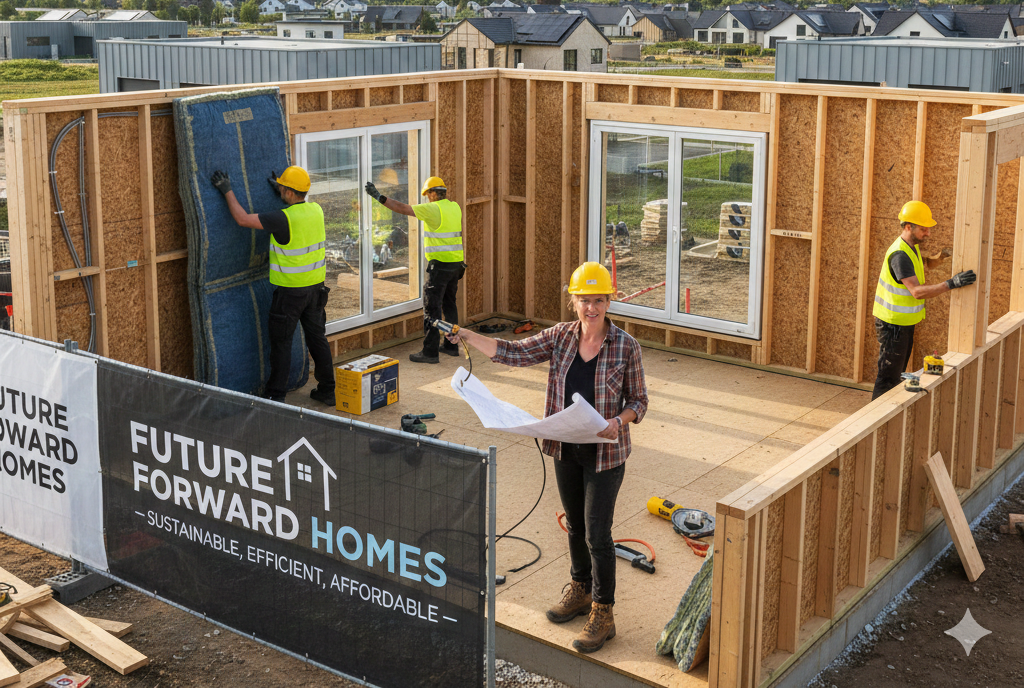
What builders don’t show you on the tour.
Unless you’ve been studying Building Science in your spare time (no judgment if you are), most homebuyers have no idea what they’re really looking at when they walk into a newly built home. Every builder starts with the same baseline: Minnesota’s building code—about 85 pages of rules that define the minimum acceptable standard. Minimum. Not exceptional. Not future-proof, enough to pass inspection.
Here’s where it gets interesting. Code changes every few years, and some builders aim higher than required. Those are High Performance builders. They don’t just build houses that look good on Instagram—they build homes that work better, last longer, and cost less to live in.
Because builders know what grabs attention. Custom cabinets. Miles of quartz. Backsplashes that deserve their own close-up. All lovely. But while buyers swoon over finishes, few conversations happen about the systems—the High Performance systems—quietly doing the heavy lifting behind the walls.
Think about your car. The engine, frame, wiring, heating, and windows—all of it is interconnected. You can’t slap on a random tire and call it good; the whole system needs to stay balanced. Homes work the same way. Every system affects the others, and when they’re designed to work together, you get maximum efficiency, comfort, and durability. The best part? You’ll never see it. You’ll just feel it—year after year.
Behind those walls, basement foundations are poured and sealed to keep moisture and radon out for the long haul. Heating systems don’t just heat; they cool, filter, and exchange fresh air 24/7. The house breathes—quietly and consistently—so you don’t have to think about it except for a filter change.
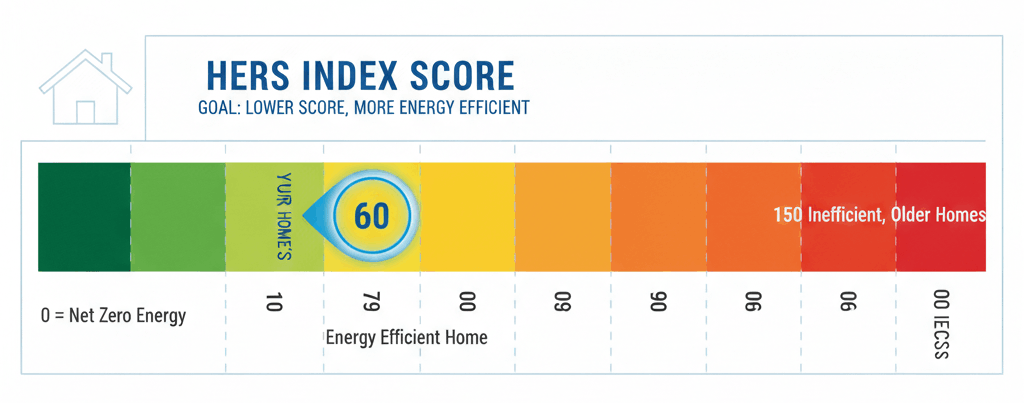
So, how do you tell if a home is High Performance? Start with the HERS score (Home Energy Rating System). Think of it as a home’s MPG. Scores range from 100 (older, inefficient homes) down to 0 (net-zero, utility-bill-shrinking marvels). Most new homes cost around 50. Lower is better.
It starts with insulation—continuous insulation that seals every nook and cranny, known as “sealing the envelope.” The envelope is the home’s outer shell, wrapped, protected, and defended against cold, heat, wind, water, snow, and ice. The same insulation that keeps you cozy in January keeps you cool in July.
Next come windows. Double or triple-paned, gas-filled, meticulously sealed—especially important now that homes are featuring larger expanses of glass. Big windows are beautiful, but only if they’re built to endure Minnesota weather without leaking comfort (or dollars).
Heating and plumbing systems are sized precisely for the home—not too big, not too small. Oversized systems waste energy; undersized ones never stop running. Heat pumps, now common nationwide, efficiently move heat instead of creating it—yes, like the refrigerator you never think about, quietly doing its job.
Model homes show you what a builder can do. While you’re admiring that showstopper kitchen, pause and ask: How will this home perform 10, 20, 30 years from now? A High Performance home doesn’t just impress you—it loves you back.
Categories
Recent Posts


