New Construction Isn’t Automatically Better Built
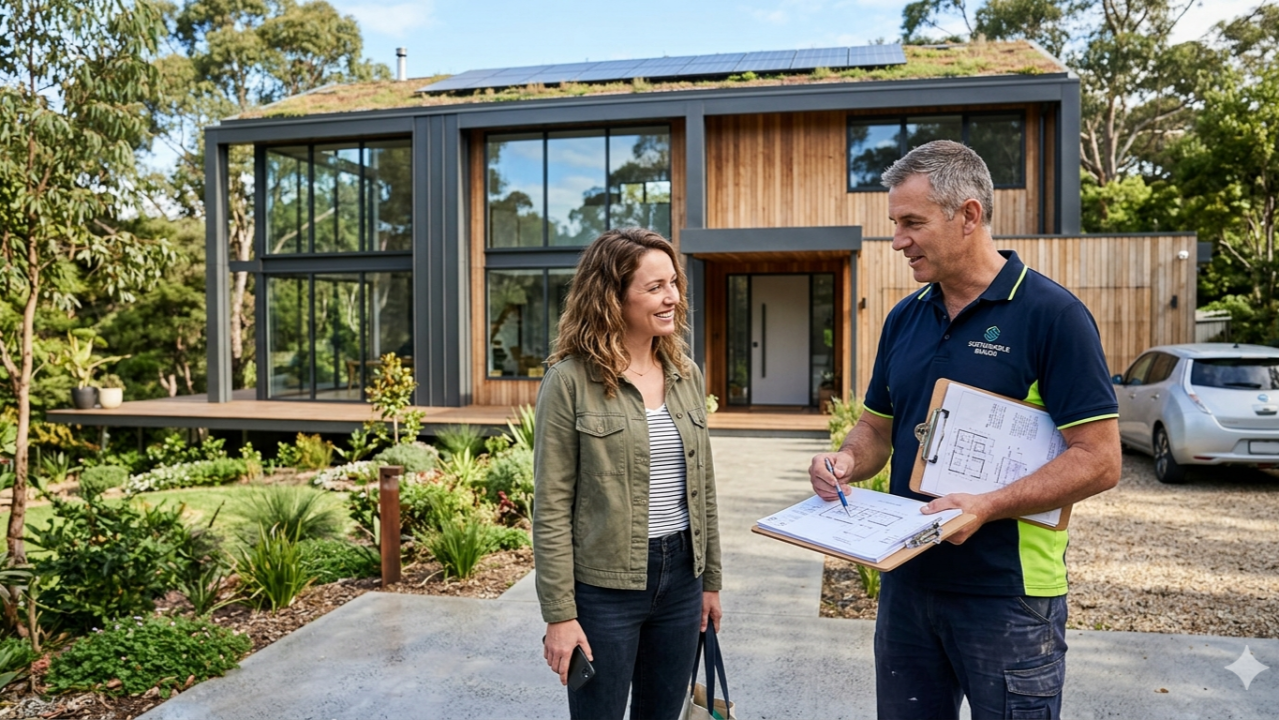
Reality TV has done buyers no favors.
On TV, a couple stands on an empty lot, shrugs, and suddenly there’s a dream home. In real life? That’s fiction with good lighting.
Before a foundation is ever poured, there should be plans, pricing, approvals, selections, contracts, timelines, and signed-off details. Buyers should know where the kitchen, dining room, windows, mechanicals, and storage are long before concrete shows up. If the process feels vague, that’s your first red flag.
Here’s the truth: not all builders are equal.
Every builder has to meet code. That’s the minimum. In Minnesota, code compliance and statutory warranties create a baseline, but the baseline isn't better built. Some builders simply meet code. Others build beyond it with better materials, stronger performance, healthier air, and lower utility bills.
If buyers don’t know what to ask, they get sold on countertops and adjectives.
Start here:
- What is the HERS score?
- How airtight is the home?
- What kind of insulation is behind the walls?
- What windows are being used?
- What type of filtration and ventilation system is installed?
- Is the home EV-ready?
Those answers will tell you far more than a glossy brochure ever will.
A few red flags:
- A builder website that only talks about bedrooms, baths, and “luxury.”
- No mention of energy performance.
- No clear specs. No written standards.
- No one can explain what’s behind the walls.
Buyers should also ask how the builder handles inspections, warranties, change orders, and code compliance.
A good builder won’t get defensive. They’ll have answers.
The smartest buyers don’t just shop for cosmetic appeal. They shop for comfort, sustainability, efficiency, and proof.
Because what you can’t see in a new home matters more than what photographs well.
And yes, having an experienced agent who knows how to speak to builders helps you avoid expensive mistakes.
Categories
Recent Posts


